
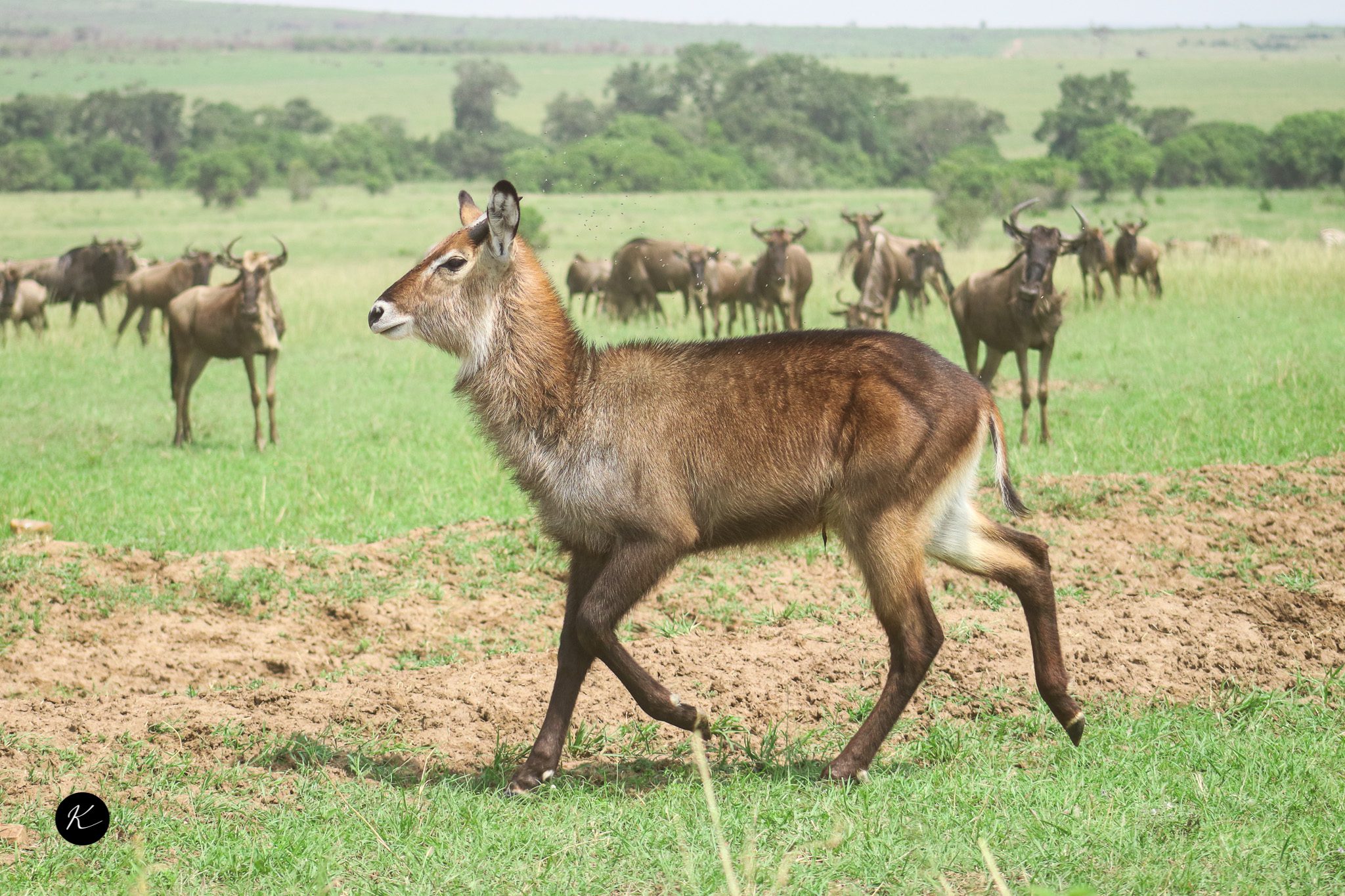
The Great Migration is often described as one of the most remarkable natural events discovered in Africa. Every year, millions of wildebeest, zebras, and antelope move across East Africa in a continuous cycle driven by rainfall and grazing patterns that move ahead from their destination. This journey creates dramatic wildlife encounters, from river crossings filled with crocodiles to intense predator-prey interactions across endless savannahs.
For travelers planning a safari, the choice often comes down to two legendary destinations that are often considered Serengeti vs. Masai Mara. Both locations offer front-row seats to the migration, yet the cost of experiencing it can vary widely. Factors such as seasonality, park fees, accommodation styles, and transportation all influence the final price of a safari.
Therefore, in this blog, we will explore the key cost differences between the Serengeti and the Maasai Mara, helping travelers understand which destination is generally more expensive and why. Whether you’re planning a luxury adventure or a carefully budgeted trip, knowing where your money goes can help you make a more informed decision.
Experience The Great Migration In Serengeti And Masai Mara:
The Migration in the Serengeti
The Serengeti hosts the majority of the migration throughout the year. From calving season in the southern plains to dramatic river crossings in the north, the migration is spread across a vast ecosystem. This means travelers can witness migration activity in different regions depending on the season. Because of its size and year-round migration presence, the Serengeti often requires longer stays and more internal travel, which can impact overall costs.
The Migration in the Maasai Mara
In the Maasai Mara, the migration is more seasonal and concentrated, typically occurring between July and October. During this period, large herds cross from the Serengeti into Kenya, creating some of the most iconic wildlife scenes. With the best Masai Mara safari, you can ensure remarkable memories.
A Few Comparisons to Explore: Serengeti vs. Masai Mara
Here are a few factors, creating a comparison between the two to help you choose the best :
Park Fees & Conservation Charges:
- Serengeti National Park Fees
This park generally has higher daily park entry and conservation fees. These fees apply per person, per day, and can add up quickly, especially for longer safaris or stays deep within the park. Additional vehicle and concession fees may also apply, depending on where you stay.
- Maasai Mara Reserve and Conservancy Fees
The fees for this park are typically lower than those of the Serengeti. However, many travelers stay in private conservancies bordering the reserve, which charge separate conservancy fees. In some cases, these conservancy fees can be equal to or even higher than standard park fees, particularly during peak season.
Accommodation and Lodge Rates:
- Serengeti Lodges and Camps:
Accommodation in the Serengeti often comes at a premium due to its remoteness. Supplies are frequently transported by air, and many lodges operate in isolated areas, increasing operational costs. As a result, even mid-range camps in the Serengeti can be relatively expensive compared to similar options elsewhere.
- Masai Mara Safari Lodges and Camps:
The Maasai Mara offers a wider range of accommodation options, from budget-friendly camps outside the reserve to high-end luxury lodges. Its proximity to Nairobi helps reduce logistics costs, which can translate into more varied pricing. However, during peak migration season, prices can rise sharply due to high demand and limited availability.
Transportation & Safari Rates:
- Getting to the Serengeti
Reaching the Serengeti usually involves flying into Kilimanjaro International Airport or Arusha, followed by domestic flights to airstrips within the park. These internal flights add to the overall cost of a Serengeti safari. Longer travel distances also mean higher fuel and logistics expenses for guided safaris. - Getting to the Maasai Mara
The Maasai Mara is easier and often cheaper to access. Travellers typically fly into Nairobi and then take a short domestic flight or road transfer to the reserve. This convenience makes the Maasai Mara a more budget-friendly option in terms of transportation.
Seasonal Price Variations:
- Peak Seasons in the Serengeti
Because the migration moves throughout the Serengeti year-round, travellers have more flexibility to visit during the shoulder or green seasons. These periods often come with lower accommodation rates while still offering rewarding wildlife experiences. - Peak Season in the Maasai Mara
The Maasai Mara’s peak season is shorter and more defined. Prices tend to be highest between July and October, when migration activity is at its peak and demand is strongest. Outside these months, costs can drop significantly.
Safari Experience & Overall Value:
- Value Offered by the Serengeti
The Serengeti’s vast landscapes provide a sense of space and exclusivity. Wildlife viewing is spread out, and crowds are generally lower, even during peak seasons. Although they are often more expensive, many travelers feel that the Serengeti Safaris offer excellent value due to their scale, diversity, and extended migration opportunities. - Value Offered by the Maasai Mara
The Maasai Mara delivers intense wildlife viewing in a smaller area. Predator sightings are frequent, and migration crossings can often be seen within short game drives. For travelers with limited time, this concentration of wildlife can offer strong value, even if peak-season prices are higher.
Which Destination Is More Expensive?
Well, in most cases, the Serengeti is more expensive due to higher park fees, longer travel distances, and premium accommodation pricing. However, it also offers greater flexibility in timing and a more expensive safari experience. The Masai Mara safari rates are often more affordable and easier to access, though costs can rise quickly during peak migration months. The final price depends largely on travel style, season, and length of stay.
Therefore, when you are planning to experience the Great Migration in Africa, choosing between the Serengeti and the Masai Mara completely depends on your budget and requirements. For excellent guidance regarding the expense and details about the safari experience, ensure that you choose the best safari tours, such as Ketsafaris, for a remarkable experience.
Conclusion:
In conclusion, both the Serengeti and the Maasai Mara provide unforgettable opportunities to witness the Great Migration, but their costs differ for clear reasons. The Serengeti typically comes with a higher price tag, while the Maasai Mara offers more accessible and sometimes more budget-friendly options. Understanding these cost differences will help you choose the destination that offers the best balance of value and experience for your journey.
FAQs:
Q: How much time does it take to fly to the safari in Serengeti from Arusha?
A: The usual time taken to fly to the Serengeti is 1 hour 10 minutes to 2 hours 40 minutes.
Q: What is the Masai Mara, Serengeti, and Ngorongoro safari?
A: A Masai Mara, Serengeti, and Ngorongoro safari is a premier East African wildlife adventure crossing Kenya and Tanzania to witness the Great Migration, the Big Five, and diverse ecosystems.
Q: Which season is suitable for travelling to Masai Mara?
A: The best time to visit the Masai Mara is during the dry season from late June to October, which coincides with the Great Migration, offering optimal wildlife viewing and clear, sunny weather.