
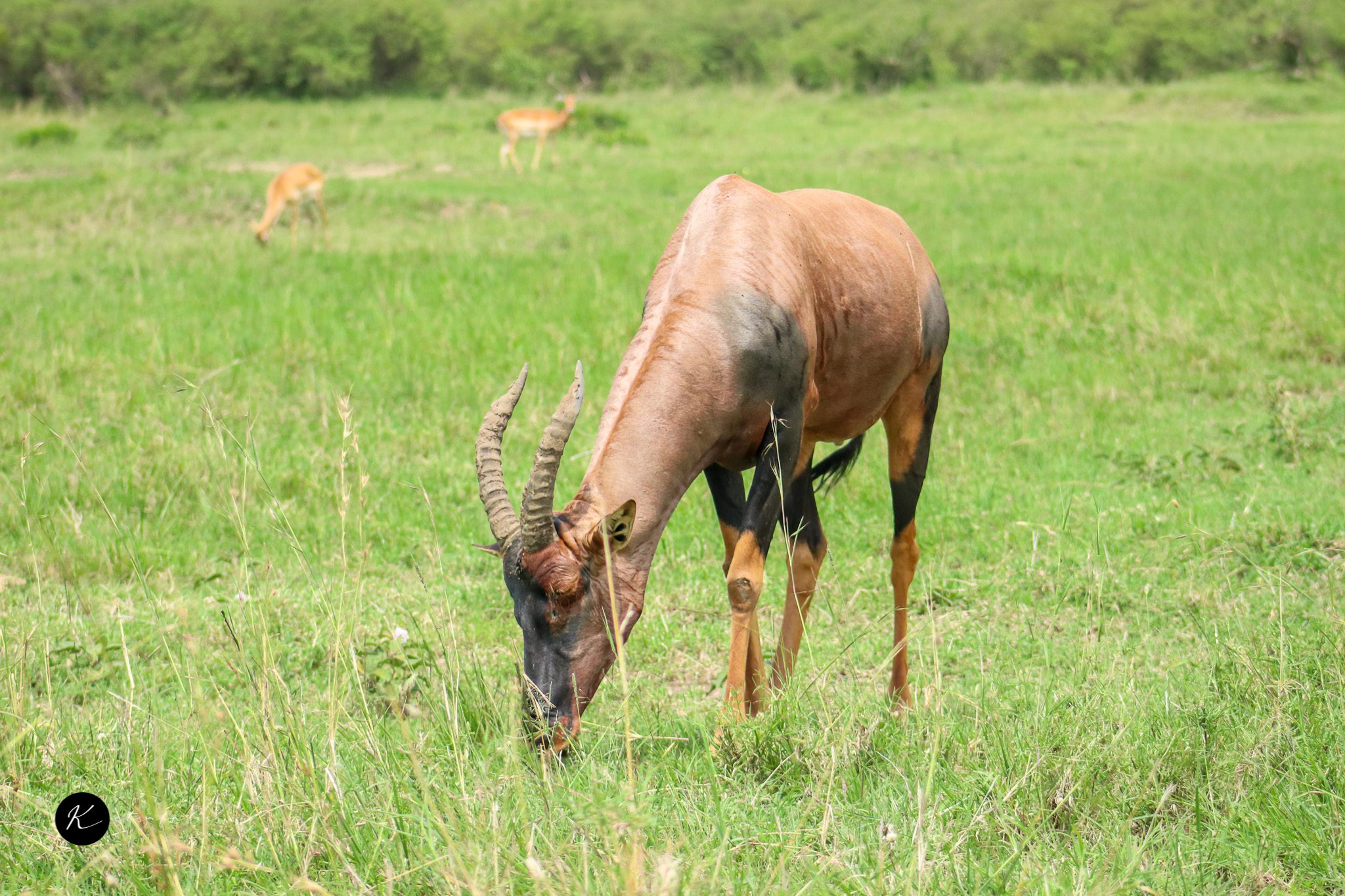
Want to experience a memorable holiday with diverse wildlife, breathtaking landscapes and rich heritage? For that, choosing Kenya safari tours is something that you can always count on. With Kenya safaris, you get to discover all the African gems, starting from the savannahs to the clean beaches along the Indian Ocean, the diverse species, and the Big Five. which ensures you a thrilling and unforgettable experience of exploring Kenya completely. Whether you are planning to travel with family, friends or on a solo trip, this is best for a relaxing coastal and heritage retreat.
The most important factor to consider is that when you are planning your trip, always be sure to contact professional tour companies in Kenya. To get the best convenience, which is safe, comfortable, and cost-efficient. With the right tour operator, you get the best guidance to experience every small detail and information about Kenya and its heritage.
Therefore, when you are planning to choose a tour company, it is necessary to know what the important factors are to consider while making the ideal choice for a remarkable experience. In this guide, we have detailed information for a clear understanding of making the right choice.
Why Choose a Kenya Safari for a Memorable Trip in Africa?
As we are already aware of the mesmerizing experience of discovering the vast and beautiful Africa, with the best convenience by choosing a Kenya Safari, as it combines comfort and remarkable memories. Whether you are travelling for the first time or again, solo or with a group, choosing tours and safaris in Kenya ensures unmatched memories.
The Reasons To Choose Kenya Safari Include:
- Spotting a variety of species and wildlife.
- Experiencing the heritage culture.
- Expert and professional guidance.
- Luxury lodges and camping experiences.
- Safe and Comfortable Convenience.
Factors to Consider While Choosing Tour Companies in Kenya:
These are the essential factors that need to be considered while choosing the right tour company in Kenya:
- License and Registration:
When choosing the right tour operator in Kenya, it is important to check their license and registration documents. As it ensures that you are considering a reliable company. A licensed company will be verified by the Kenya Association of Tour Operators (KATO). - Feedback and Reputation Check:
To ensure you are making the right choice, always check their customer feedback and reviews on Google and their website. It provides you with a reputation check and makes you consider the best tour company for a brilliant experience to travel in Kenya. - Expert Guidance:
A reliable tour and travel company always provides expert guidance for every traveler. Whether you are travelling solo, in groups, or in pairs, they have experienced and trained professionals who will assist you throughout the journey. - Transparent Pricing:
Planning a trip always requires a budget, which is why we need a company that offers transparent pricing. A reliable tour operator always provides a detailed pricing plan that includes a complete price list starting from travel, accommodation, activities, and more. - Safety & Medical Protocols:
Safety is a must! That is why you should always consider a company that ensures services with medical and safety protocols, such as
– Medical assistance during an emergency.
– Maintained & regularly checked vehicles.
Therefore, do you want to make your holiday unforgettable in Kenya? Choosing a reliable and efficient tour company such as Ketsafaris can be an ideal choice. As they are experienced professionals who offer exceptional services that perfectly fit your budget and match your expectations.
Conclusion:
At the end! Choosing the right tour company in Kenya is a key factor in creating a memorable and stress-free travel experience. You can initiate by considering reputation, safety, services offered, guide expertise, flexibility, pricing transparency, and more to make the perfect decisions that match their expectations and travel style. A reliable tour company will not only handle the travelling efficiently but will also help you discover the diverse wildlife and make you understand and appreciate Kenya’s cultures. By taking the time to research and to choose wisely, you can ensure that your trip and journey in Kenya is beautiful and unforgettable.
FAQs:
Q: How many days are required to travel Masai Mara?
A: A 3-4 day tour is more than enough to experience travelling the Masai Mara.
Q: Is a Kenya safari a safe option for travelling with children?
A: Yes! It is a safe and educational option when travelling with children, as they get to learn about the diverse wildlife and culture of Kenya.
Q: What season should we travel to experience the Big Five?
A: The Big Five are discovered during the dry season, which is generally from May to October.
Q: Which spot is a must-visit when planning to travel to Kenya?
A: The Masai Mara National Reserve is a must-visit when planning to travel to Kenya.
Q: How much can a solo trip cost in Kenya?
A: The average cost of a solo trip can be between $50 and $150 per day.