Located along Kenya’s scenic coastline, Haller Park in Mombasa stands as one of the country’s most inspiring environmental success stories. What was once a lifeless limestone quarry has been transformed into a thriving green sanctuary, offering visitors a unique blend of conservation, wildlife, and education. Today, the park plays an important role in Mombasa safaris and coastal wildlife tourism.
From Quarry to Conservation Landmark
Haller Park’s journey began in the early 1970s when the Bamburi Portland Cement Company left behind a severely degraded landscape. The barren land lacked soil fertility, vegetation, and wildlife. Recognizing the environmental damage, Dr. René Haller launched an ambitious restoration project in 1971, aiming to revive the ecosystem and demonstrate the potential for ecological recovery.
This initiative would later become a key attraction for travelers interested in an African safari experience within a coastal setting.
Rebuilding the Ecosystem from the Ground Up
The restoration process began with soil rehabilitation. Dr. Haller identified millipedes as essential decomposers capable of breaking down organic waste and enriching the soil. Hundreds of these creatures, locally known as “Mombasa trains,” were introduced to accelerate soil regeneration.
Their impact was remarkable. Over time, organic matter accumulated, creating fertile ground that allowed vegetation to grow. This foundational step made it possible for plant life to return and laid the groundwork for long-term ecological balance.
The Return of Forests and Wildlife
With improved soil conditions, indigenous and adaptive tree species such as casuarinas were planted. These fast-growing, self-seeding trees quickly spread across the area. Within a decade, the once-desolate quarry had evolved into a dense forest ecosystem.
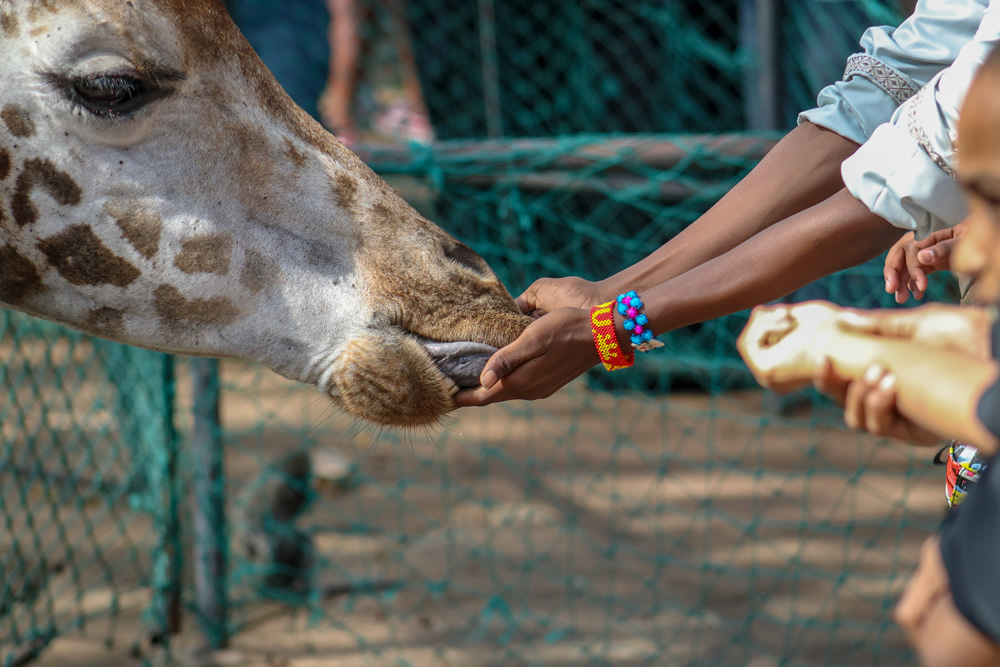
As plant life flourished, wildlife followed. Giraffes, zebras, hippos, crocodiles, monkeys, and antelope found refuge in the restored environment. This transformation positioned Haller Park as a valuable stop for safari tour Mombasa itineraries, especially for travelers seeking wildlife encounters without traveling far inland.
A Biodiversity Haven in Mombasa
Today, Haller Park is home to more than 300 indigenous plant species and over 160 bird species, making it a notable destination for nature enthusiasts and birdwatchers. The park’s diversity adds depth to safari trips from Mombasa, offering a different perspective from traditional savannah safaris.
Visitors can explore the park through guided nature walks, educational trails, and observation points that highlight the coexistence of flora and fauna. A crocodile farm and animal sanctuary further emphasize the park’s conservation mission.
Haller Park and Mombasa Safaris
Unlike classic national parks, Haller Park provides a compact yet meaningful wildlife experience. Its accessibility makes it a popular inclusion in Mombasa safaris, especially for travelers combining beach holidays with nature excursions.
For visitors interested in an African safari atmosphere near the coast, Haller Park offers an ideal introduction. It demonstrates how conservation, tourism, and education can work together to protect ecosystems while supporting sustainable travel.
A Model for Global Restoration Efforts
Haller Park’s success extends beyond tourism. It serves as a global example of how degraded land can be restored through scientific understanding, patience, and commitment. The project continues to inspire environmentalists, researchers, and conservation planners worldwide.
Conclusion
Haller Park is more than a green space; it is a symbol of hope and environmental resilience in Mombasa. From its origins as a barren quarry to its role in modern safari tours in Mombasa, the park highlights the power of restoration and responsible human intervention. For travelers seeking meaningful African safari encounters along the coast, Haller Park remains a must-visit destination