
When people think of visiting Kenya, they often picture dry savannahs, clear skies, and peak safari months filled with tourists. However, there is another side to this beautiful country that remains surprisingly underrated during the rainy season, where you get to experience the Kenyan rainy season safari. Often overlooked, this time of year offers a unique and rewarding travel experience that combines natural beauty, fewer crowds, and exceptional value.
The rainy months in Kenya typically fall between March and May (long rains) and October to December (short rains). While occasional showers are expected, they are usually brief and followed by sunshine, leaving behind refreshed landscapes and vibrant scenery. For travellers who are open to a slightly different adventure, this season can reveal Kenya at its most lush and captivating, with a Kenya safari.
From witnessing dramatic skies and flourishing wildlife habitats to enjoying quieter national parks and more personalised safari experiences, visiting Kenya during the rainy season can be both memorable and cost-effective. Therefore, in this blog, we will be discussing the top reasons to visit Kenya during the rainy season.
The Top Reasons To Travel to Kenya During The Rainy Season
Here are the top 6 reasons that make choosing a Kenya safari in the low season an ideal choice.
- Lush and Scenic Landscapes
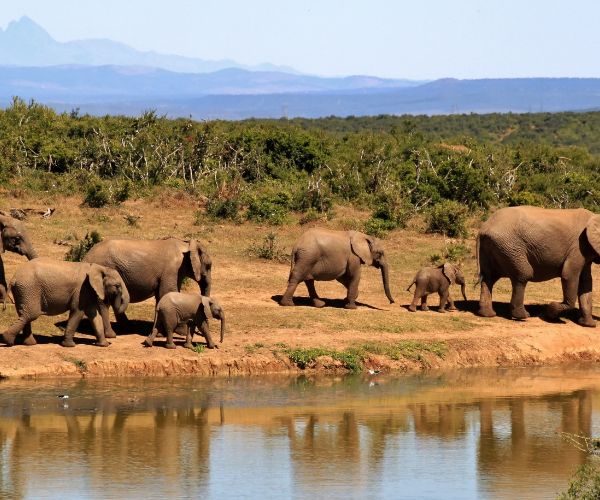
One of the most noticeable changes during the rainy season is the transformation of Kenya’s scenery. You get to experience Kenya’s green season travel. National parks and reserves become vibrant and green, with blooming plants and full rivers adding to the visual appeal. The dramatic skies and fresh atmosphere create ideal conditions for photography and sightseeing. - Fewer Crowds and Peaceful Safaris
Travelling during this time means you can enjoy a quieter experience in popular destinations. With fewer tourists around, game drives feel more personal, and you’re less likely to compete for the best wildlife sightings. That’s when Kenya’s off-season safari creates a more intimate and immersive safari experience. - Excellent Birdwatching Opportunities
The rainy season is particularly rewarding for bird enthusiasts. Migratory birds arrive in large numbers, adding to the already rich diversity of species found in Kenya. Bright plumage and active behaviour make birdwatching both exciting and visually stunning. - Better Value for Money
Accommodation and tour prices are often lower during the rainy months, which is why the Kenya safari April-May season is an ideal time for travellers looking to enjoy a high-quality experience at a more affordable cost. Many lodges and camps offer special deals, allowing you to experience luxury at a fraction of the peak season price. - Unique Wildlife Experiences
While wildlife can be seen throughout the year, the rainy season brings its own unique moments. The abundance of water and food means animals are more widely dispersed, and you may witness behaviours that are less common during the dry season, such as newborn animals and increased activity among certain species. - Comfortable Weather Conditions
The rain helps to cool down temperatures, making outdoor activities more pleasant. The air feels fresher, and the environment is more comfortable compared to the intense heat often experienced during the dry season.
How to Choose a Kenya Short- and Long-Rains Safari?
By considering these key points, you can choose a Kenya short- and long-rains safari.
- Understand the Seasons
Long rains (March–May) are heavier, while short rains (October–December) are lighter and more predictable. - Consider Travel Comfort
Choose short rains for easier travel conditions; long rains may involve muddy roads and limited access in some areas. - Check Wildlife Viewing Preferences
Both seasons offer great sightings, but short rains often provide better accessibility for game drives. - Look at Budget Options
Long rains usually come with lower prices, making it ideal for budget-friendly safaris. - Assess Crowd Levels
Expect fewer tourists during long rains, while short rains may see slightly more visitors. - Review Accommodation Availability
Some lodges may close during long rains, so check availability before booking.
Therefore, when you are planning to visit Kenya during the rainy season, choosing the best safari tours with Ketsafaris can be an ideal option for making your experience unforgettable.
Conclusion
In conclusion, visiting Kenya during the rainy season is an opportunity to experience the country in a refreshing and often overlooked way. From lush landscapes and abundant wildlife to fewer crowds and better travel deals, it offers a unique blend of advantages for those willing to embrace a little rain. Rather than avoiding this time of year, consider it a chance to see Kenya at its most vibrant and tranquil.
FAQs:
Q: Will rain affect safari experiences?
A: Rain usually comes in short bursts, so most safari activities can still take place without major disruptions.
Q: Are wildlife sightings still good during the rainy season?
A: Yes, wildlife is active year-round, and the rainy season often brings unique sightings, including newborn animals and vibrant birdlife.
Q: What should I pack for a rainy season trip to Kenya?
A: Pack lightweight clothing, a waterproof jacket, sturdy shoes, and insect repellent to stay comfortable during your trip.
Q: Are all national parks open during the rainy season?
A: Most parks remain open, but some remote areas may have limited access due to road conditions.
Q: Is the rainy season suitable for first-time visitors?
A: Yes, especially for those looking for a quieter and more relaxed experience, though flexibility in plans is helpful.