
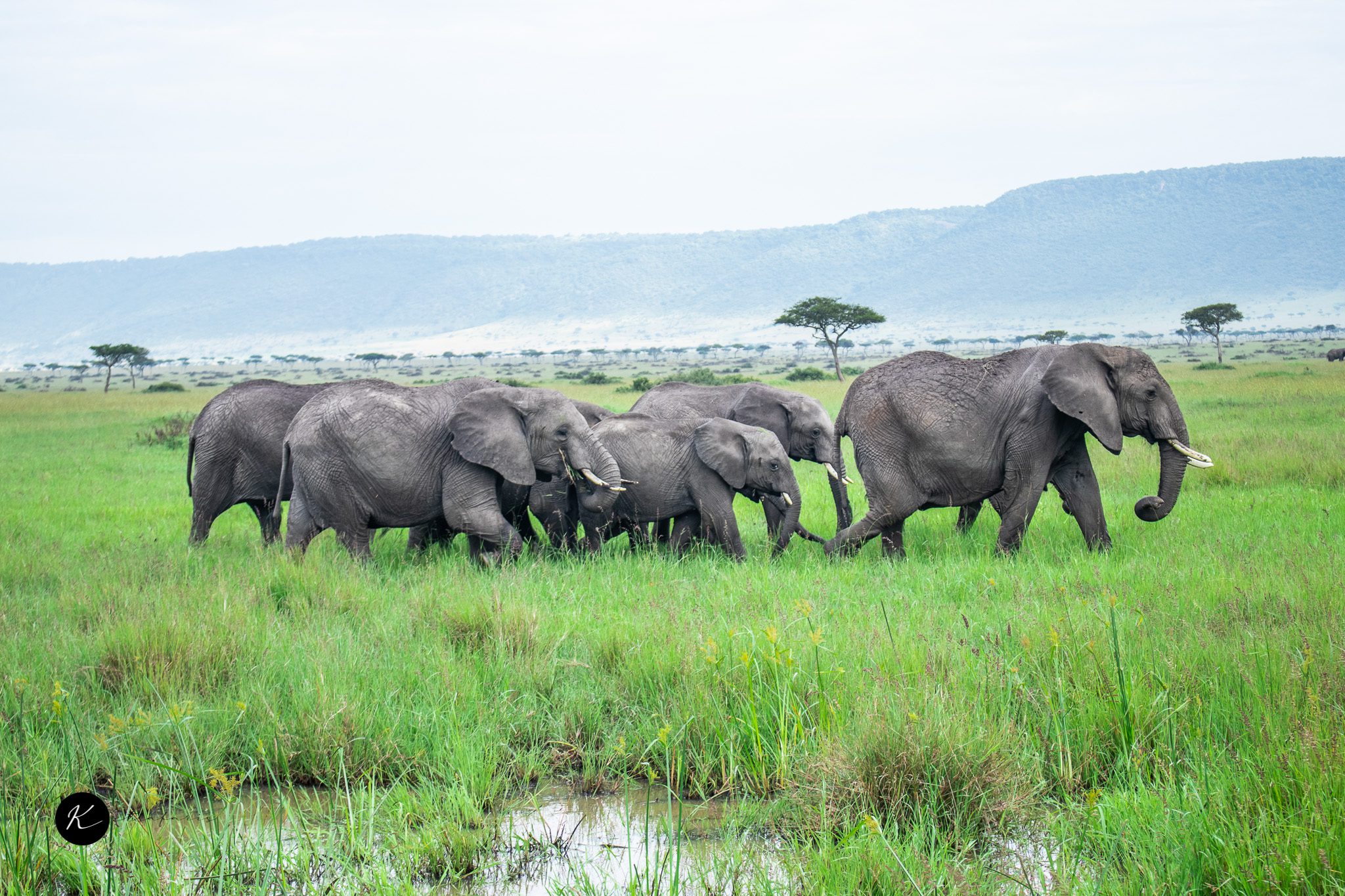
A Tanzania safari is one of the most breathtaking travel experiences of the African safaris, which is available to adventure enthusiasts, wildlife photographers, and first-time safari travelers alike. With vast grasslands, volcanic highlands, and game reserves teeming with iconic African wildlife, Tanzania offers a journey that feels both cinematic and deeply immersive. From the mighty Serengeti to the Ngorongoro Crater, Tanzania is home to some of the world’s most spectacular natural habitats, where the rhythms of life unfold against a backdrop of migrating herds, ancient landscapes, and vibrant cultural traditions.
For many, planning a safari is not merely about spotting the “Big Five”—lion”, leopard, elephant, buffalo, and rhino—but also about discovering ecosystems that have remained largely unchanged for centuries. Yet, with such a unique adventure comes the need for thoughtful preparation. Understanding when to go, what to pack, the etiquette of wildlife viewing, and how to choose the right itinerary all contribute to a more rewarding and responsible journey.
This guide explores essential safari planning considerations, key dos and don’ts, and practical tips to help visitors maximize their time in Tanzania. Whether you’re dreaming of witnessing the Great Migration, observing predators in their natural environment, or engaging with local communities, there is no shortage of unforgettable experiences waiting in this East African gem.
What Makes Tanzania the Top Safari Destination?
Tanzania stands as one of Africa’s premier safari destinations for several compelling reasons. Its national parks and conservancies are home to extraordinary biodiversity, while its cultural heritage offers visitors an opportunity to learn about traditional lifestyles and indigenous knowledge. The country also boasts a dependable tourism infrastructure, catering to both luxury travelers and those seeking more budget-friendly adventures.
Best Time to Go for a Tanzania Trip:
Here are the seasons that are suitable for the best Tanzania safari tours.
Peak Wildlife Viewing Seasons
(June–October and January–February)
The dry seasons bring animals closer to watering holes and open plains, providing greater visibility and better opportunities for photography.
The Great Migration
One of the most sought-after spectacles, the annual Great Migration sees millions of wildebeest and zebras journey across the Serengeti ecosystem. The timing varies by region, making itinerary planning a key factor for travelers hoping to witness river crossings or calving season.
Do’s & Don’ts of a Tanzania Safari:
To ensure that you experience a safe and memorable Tanzania safari, these are a few necessary considerations that include the dos and don’ts.
Do’s
- Do Respect Wildlife:
Observe animals quietly and from a safe distance. Loud noises or sudden movements can disturb natural behaviors. - Do Pack Appropriate Clothing:
Neutral tones, lightweight fabrics, and layers work best for early morning drives and cooler evenings. - Do Support Local Communities:
Purchasing handicrafts or engaging in cultural tours can contribute to community development and sustainability. - Do Choose a Reputable Tour Operator:
Experienced guides ensure safety, responsible practices, and enriched wildlife knowledge.
Don’ts
- Don’t Feed the Animals:
This disrupts natural feeding patterns and can create dangerous dependencies. - Don’t Litter or Disturb the Environment:
Conservation areas rely on maintaining pristine habitats. - Don’t Expect Guaranteed Sightings:
The wild is unpredictable. While Tanzania offers excellent sightings, nature follows its own schedule.
7-Day Itinerary Tips:
It is the suggested 7-day itinerary for your memorable trip to Tanzania:
Day 1–2:
Arusha
Arrive and acclimatize while exploring markets, cultural centers, or coffee estates.
Day 3–5:
Serengeti National Park
Spend multiple days tracking predators and migratory herds in Tanzania’s most famous wildlife region.
Day 6:
Ngorongoro Crater
Descend into the caldera for an exceptional concentration of animals, including black rhinos, lions, and elephants.
Day 7:
Tarangire National Park
Known for its elephant herds and baobab trees, Tarangire offers a quieter yet stunning contrast to the Serengeti.
Essential Tanzania tour Planning Tips:
A few tips that are essential for a memorable safari trip include
Choosing the Right Safari Style
Travellers can opt for lodge-based safaris, tented camps, self-drive experiences, or guided tours. Each offers unique benefits depending on budget, comfort level, and desired immersion.
Booking in Advance
Accommodation within national parks can fill up months ahead of time during peak season. Early reservations secure better rates and availability.
Health & Safety Considerations
Vaccinations, malaria prevention, and travel insurance should be planned ahead of departure. Guides typically provide safety briefings during the safari.
Therefore, if you are looking for a tour and travel company that offers you an excellent Tanzania safari lodge or hotel, choosing Ketsafaris can be the best choice for a remarkable and unforgettable experience.
Conclusion:
A Tanzania safari offers one of the most rewarding wildlife experiences on the continent, blending dramatic scenery, extraordinary biodiversity, and rich cultural encounters. With the right preparation, responsible travel practices, and a thoughtfully planned itinerary, visitors can enjoy meaningful sightings and unforgettable moments while supporting local conservation efforts. From witnessing the Great Migration to exploring volcanic highlands and tranquil savannahs, Tanzania remains a destination where the natural world unfolds in its most authentic form. For travelers seeking adventure and insight in equal measure, few journeys compare to the timeless magic of a Tanzanian safari.
FAQs:
Q: Is Tanzania good for first-time safari travelers?
A: Yes. Tanzania is considered one of the best destinations for first-timers due to its abundant wildlife, superb national parks, and experienced safari guides. It also offers diverse landscapes and excellent visitor infrastructure.
Q: Can I see the Big Five in Tanzania?
A: Tanzania provides strong chances of seeing the Big Five: lion, leopard, elephant, buffalo, and rhinoceros. The Ngorongoro Crater is particularly famous for black rhino sightings.
Q: Are safaris in Tanzania safe?
A: When travelling with reputable operators, Tanzania safaris are generally very safe. Guides provide clear instructions for wildlife viewing, park protocols, and lodge safety.
Q: What should I pack for a Tanzania safari?
A: Lightweight clothing in neutral colors, sturdy footwear, binoculars, a hat, sunscreen, and a camera are recommended. Layers are useful for cool mornings and evenings.