
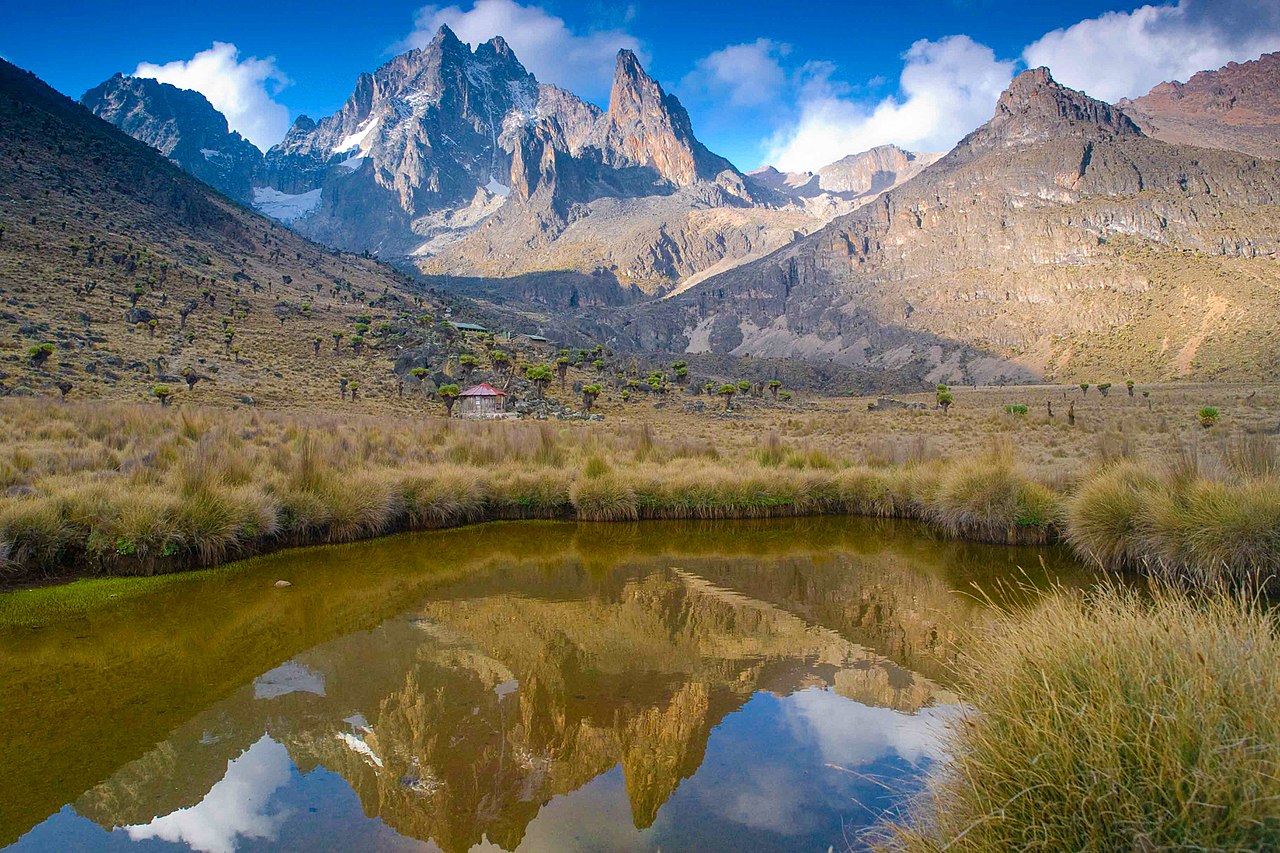
Rising dramatically above the heart of East Africa, Mount Kenya, Africa, is a symbol of natural grandeur, cultural heritage, and adventure. As the second-highest mountain on the continent after Kilimanjaro, Mount Kenya captivates travelers with its rugged peaks, diverse ecosystems, and spiritual significance. It also plays a key role in Kenya safari experiences, offering a unique blend of mountain landscapes and wildlife encounters.
A Geological Colossus of East Africa
Mount Kenya is an ancient dormant volcano formed millions of years ago through powerful volcanic activity. Over time, erosion and retreating glaciers sculpted its striking terrain, leaving behind jagged peaks, glacial valleys, and crystal-clear alpine lakes. The mountain’s summit is defined by three prominent peaks: Batian (5,199 meters), Nelion, and Point Lenana—the most accessible for trekkers without technical climbing expertise.
Located within Mount Kenya National Park, Kenya, this dramatic landscape attracts climbers, hikers, and nature lovers from around the world seeking an unforgettable high-altitude adventure.
Mount Kenya National Park Location and Natural Setting
The Mount Kenya National Park location lies in central Kenya, just south of the equator, making it one of the most unique alpine environments in the world. The park surrounds the mountain’s upper slopes and protects its fragile ecosystems, serving as a vital water catchment area for much of the country.
As part of a broader Kenya safari circuit, Mount Kenya National Park complements traditional savannah safaris by adding cool highland scenery, lush forests, and panoramic mountain views.
A Realm of Diverse Ecosystems:
Few destinations in Mount Kenya, Africa, can rival the park’s ecological diversity. The lower slopes are covered in dense rainforest, home to elephants, buffalo, monkeys, and vibrant birdlife. Higher elevations transition into bamboo forests and montane woodlands before opening into expansive moorlands filled with giant lobelias and groundsels.
The upper Afro-alpine zone features glaciers and rocky terrain, supporting specialized plant species and rare mountain wildlife. This remarkable biodiversity makes Mount Kenya National Park an important conservation area and a rewarding addition to any Kenya safari itinerary.
A Place of Deep Spiritual Significance:
Mount Kenya is a sacred place for the indigenous people of Kenya, particularly the Kikuyu tribe. They believe the mountain is the home of Ngai, their god, and revere it as a source of spiritual power and renewal. This reverence is echoed in the mountain’s name, Kirinyaga in Kikuyu, which translates to “mountain of whiteness.” Traditional rituals and pilgrimages to the mountain continue to this day, reflecting the deep connection between the people and this natural wonder.
Adventure Awaits:
Adventure seekers can enjoy multi-day trekking routes, scenic nature walks, and wildlife viewing within the park. For travelers seeking comfort and elegance, the renowned Mount Kenya Safari Club offers luxury accommodation near the mountain, blending refined hospitality with breathtaking views.
Staying at the Mount Kenya Safari Club allows visitors to enjoy guided excursions, nature experiences, and relaxation while remaining close to one of Africa’s most iconic landscapes.
A World Heritage Site:
In recognition of its outstanding natural beauty, ecological diversity, and cultural significance, Mount Kenya was designated a UNESCO World Heritage Site in 1997. This designation underscores the importance of conserving this unique mountain ecosystem for future generations.
A Beacon of Hope:
Mount Kenya, however, faces challenges. Climate change has led to a retreat of glaciers, a stark reminder of the need for environmental responsibility. Conservation efforts are underway to protect the mountain’s fragile ecosystem and ensure its continued beauty for all to experience.
Mount Kenya is more than just a mountain; it’s a symbol of Kenya’s natural heritage. Standing tall and proud, it beckons adventurers and nature lovers while serving as a vital source of water and a place of deep cultural significance. A visit to Mount Kenya is a chance to experience breathtaking landscapes, encounter a diverse array of wildlife, and connect with the rich cultural traditions that have been shaped by this awe-inspiring peak.