
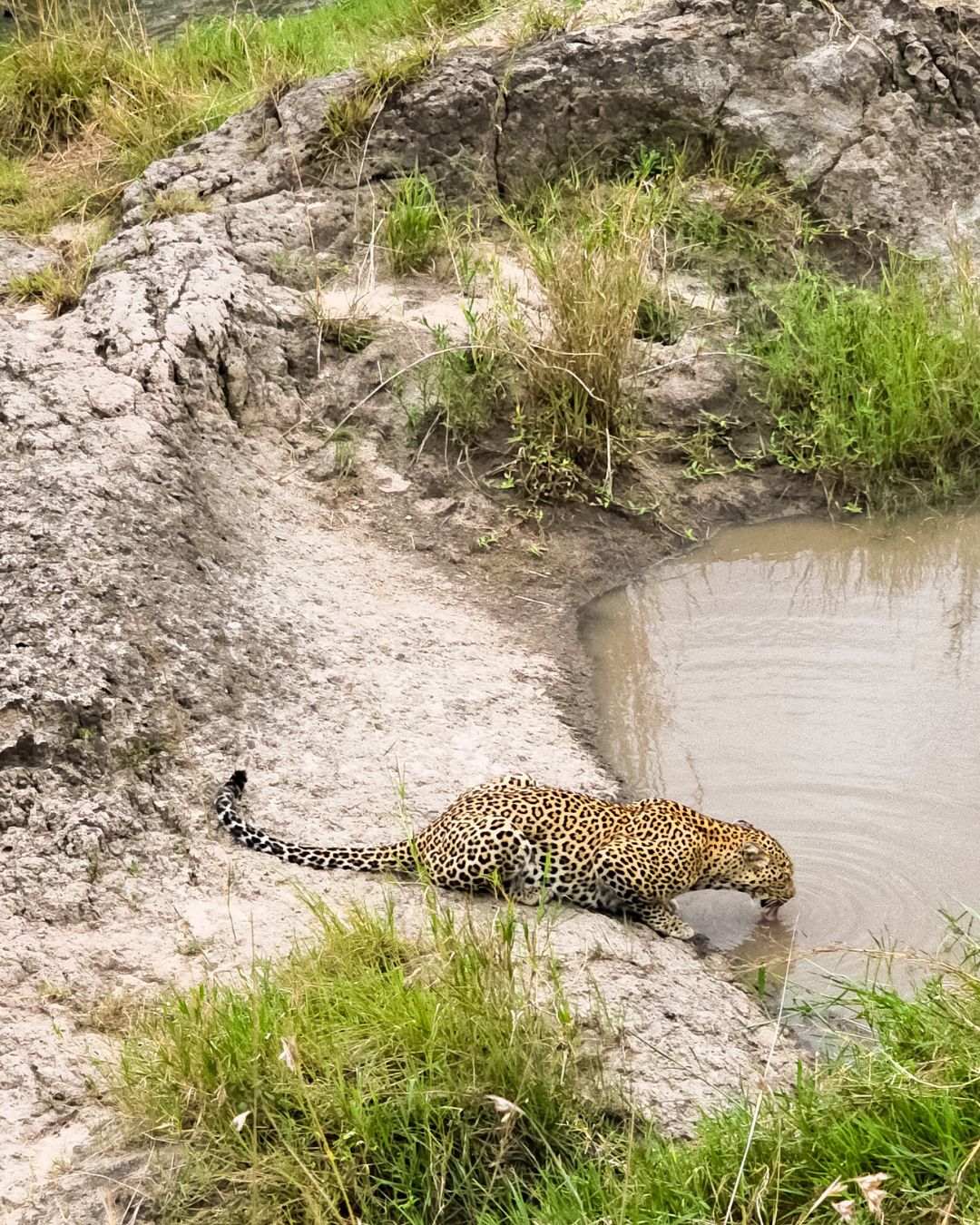
A safari holiday across Kenya and Tanzania remains one of the most sought-after bucket-list experiences for travelers around the world. And for that, choosing a Kenya-Tanzania safari package can ensure you the best experience between the sweeping plains of the Serengeti, the dramatic Great Rift Valley, the iconic Maasai Mara, and the wildlife-rich Ngorongoro Crater. These East African neighbors offer extraordinary diversity in landscape, wildlife, and culture.
What makes a cross-border safari particularly compelling is the seamless transition from Kenya’s golden savannahs to Tanzania’s vast parklands, each offering unique ecosystems and seasonal wildlife spectacles. Whether one is travelling as a couple, family, or private group, 9 days strikes a balance between adventure, comfort, and immersive experiences. A well-planned itinerary gives enough time to witness the famous Big Five, encounter wildebeest herds in motion, explore indigenous communities, and unwind in luxury safari lodges or tented camps.
Therefore, in this blog, we will discuss in depth the 9-day itinerary & costs for travelling to Kenya and Tanzania.
9-Day Kenya and Tanzania Safari Itinerary and Costs:
Here is detailed information about the Kenya-Tanzania Safaris itinerary and costs:
Day 1–2:
Nairobi Arrival & Maasai Mara, Kenya
Travelers usually begin in Nairobi before heading to the Maasai Mara, one of Africa’s top safari destinations. Expect rolling savannahs, lion sightings, cheetah chases, and, during peak months, part of the Great Migration. Game drives, sundowners, and cultural village visits are common additions.
Estimated Costs:
- Mid-range: $350–$500 per night
- Luxury: $650–$1,200 per night
Day 3–4:
Lake Nakuru or Lake Naivasha, Kenya
A scenic transfer takes guests toward the Rift Valley lakes. Lake Nakuru offers rhino, flamingo, and leopard sightings, while Lake Naivasha adds boat rides and walking safaris. This area adds ecological diversity compared to the Mara.
Estimated Costs:
- Mid-range: $250–$400 per night
- Luxury: $500–$900 per night
Day 5–6:
Serengeti National Park, Tanzania
Crossing the border into Tanzania leads to the world-famous Serengeti. The best time to visit Kenya and Tanzania is from June to October, as it’s ideal for witnessing the Great Migration and incredible predator action year-round. Balloon safaris, multiday game drives, and remote tented camps enhance the experience.
Estimated Costs:
- Mid-range: $350–$550 per night
- Luxury: $750–$1,500 per night
- Balloon safari (optional): $500–$600
Day 7: Ngorongoro Conservation Area, Tanzania
Travellers descend into the Ngorongoro Crater, which is one of the most biodiverse natural enclosures in the world, to spot black rhinos, elephants, lions, and massive buffalo herds. The landscapes are dramatic, and the wildlife density is extremely high.
Estimated Costs:
- Mid-range: $280–$450 per night
- Luxury: $800–$1,300 per night
- Crater fees: $200–$250 per vehicle
Day 8: Tarangire National Park, Tanzania
It is known for giant elephant herds and ancient baobab trees. Tarangire offers a quieter safari experience with excellent birdlife and large predators. The dry season (June–October) concentrates wildlife near the river, ensuring unforgettable memories.
Estimated Costs:
- Mid-range: $250–$400 per night
- Luxury: $550–$900 per night
Day 9: Arusha Leisure And Heading Back
Return to Arusha for relaxation, shopping, local markets, coffee plantation visits, or cultural tours with Maasai or Meru communities. Next, pack your stuff and head back to fly home from the Kilimanjaro International Airport.
Estimated Costs:
- Mid-range: $180–$280 per night
- Luxury: $400–$700 per night
- Cultural tours: $40–$120 depending on experience
What Influences Total Safari Cost?
When we plan travelling, we always look for cost efficiency. Therefore, here are the key variables that influence the total safari cost, such as
- Seasonality (Great Migration weeks increase rates)
- Accommodation level
- Private vs shared vehicles
- Domestic flights vs road transfers
- Park fees & conservation levies
- Add-ons (balloon safaris, cultural tours, beaches)
- Child pricing for family safaris
- Guide specialization
Therefore, for a worthy and budget-friendly experience of the best safari tours in Kenya and Tanzania, choosing a reliable tour and travel operator such as Ketsafaris stands as a suitable choice, as they provide the best guidance and itinerary, ensuring a remarkable experience.
Conclusion:
In conclusion, a 9-day safari across Kenya and Tanzania offers one of the most diverse wildlife experiences in Africa, combining the sweeping savannahs of the Maasai Mara and Serengeti with the unique landscapes of the Ngorongoro Crater. While costs vary based on accommodation style, season, and flight options, travelers can expect excellent value through carefully planned itineraries that include guided game drives, cultural interactions, park visits, and optional upgrades such as hot-air balloon safaris or beach add-ons. Whether arranged as a private or small-group journey, this East African safari highlights the best of the region’s ecosystems, wildlife encounters, and timeless scenery, making it a rewarding choice for both first-time visitors and seasoned adventurers seeking an unforgettable African holiday.
FAQs:
Q: Are safaris a safe choice for travelers?
A: Safaris are generally very safe when guided by reputable tour operators. Camps and lodges have safety protocols for wildlife areas, and guides are professionally trained.
Q: Are internal flights recommended during the itinerary?
A: Yes, especially between the Maasai Mara and Serengeti or from Serengeti to Arusha/Nairobi. Flights save time and reduce long road transfers.
Q: Can families travel on a Kenya–Tanzania safari?
A: Absolutely. Many lodges offer family rooms, child-friendly drives, and private vehicle options. Some properties have age restrictions for toddler-aged children, so planning ahead is important.