

A 5-day Masai Mara and Amboseli safari gives travellers a chance to see two of Kenya’s best-known wildlife destinations within a short holiday. Amboseli is famous for its elephant herds and views of Mount Kilimanjaro, while the Masai Mara is known for its open grasslands, big cats, and seasonal wildebeest migration.
Adding Lake Naivasha creates a varied route, with opportunities to enjoy the Great Rift Valley scenery and optional activities around the lake. The key to planning this trip is allowing enough time for game drives while accounting for the long road transfers between destinations.
This guide explains how a five-day itinerary can work, what wildlife you may see, when to travel, and what to consider before booking.
Why Combine Amboseli and the Masai Mara on One Safari?
Amboseli and the Masai Mara offer different landscapes and wildlife-viewing opportunities. Visiting both provides a broader picture of Kenya’s national parks without requiring a trip lasting more than a week.
Amboseli is particularly well known for elephants, open plains, and wetlands that attract wildlife and birds. On clear days, Mount Kilimanjaro provides a striking backdrop for photography.
The Masai Mara has extensive grasslands that support elephants, buffalo, giraffes, zebras, wildebeest, lions, cheetahs, and other wildlife. Between July and October, migrating wildebeest may enter the reserve, although their movements and river crossings vary from year to year.
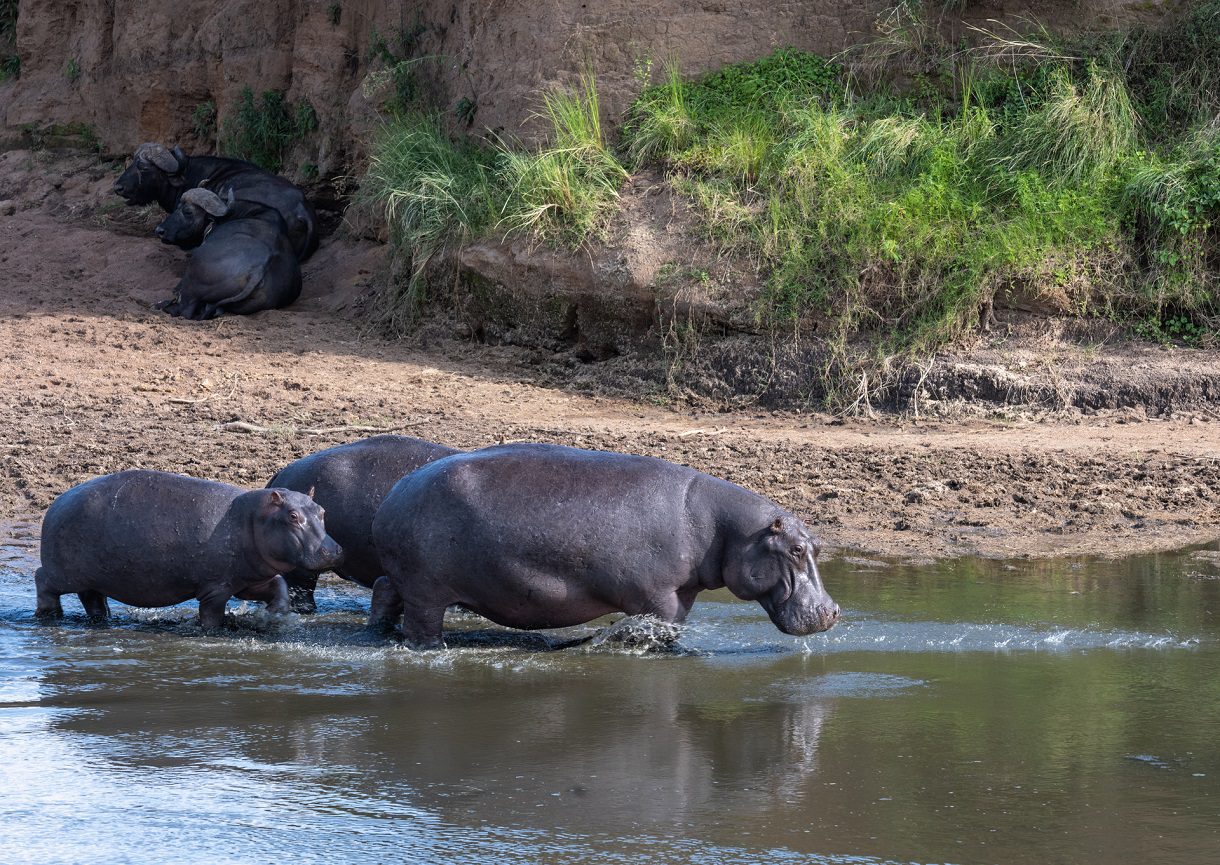
Lake Naivasha adds another type of landscape to the route. The freshwater lake and its surrounding area are known for birdlife, hippos, and optional excursions, depending on the activities available.
What Is the Suggested 5-Day Masai Mara and Amboseli Safari Itinerary?
A five-day safari requires sensible planning because the destinations are spread across different parts of Kenya. The following route follows a circuit from Nairobi to Amboseli, Lake Naivasha, and the Masai Mara before returning to Nairobi.
Day 1: Nairobi to Amboseli National Park
Your safari begins with pickup in Nairobi and a road transfer to Amboseli National Park. After arriving, check in at your lodge or camp and enjoy lunch according to your schedule.
An afternoon game drive gives you the first opportunity to look for elephants, zebras, giraffes, buffalo, and other animals. Amboseli’s open landscapes can make wildlife easier to spot in some areas, while the wetlands attract animals throughout the day.
If the weather is clear, you may see Mount Kilimanjaro rising behind the park. Visibility is not guaranteed, so photographers may want to allow time for early-morning or late-afternoon views.
Return to your accommodation for dinner and an overnight stay.
Day 1 highlights: Amboseli scenery, elephant herds, and an afternoon game drive.
Day 2: Amboseli to Lake Naivasha
Start the day with breakfast before travelling towards Lake Naivasha. This is a substantial road journey, so allow time for stops and changing road conditions.
The route offers views of Kenya’s varied landscapes, including sections of the Great Rift Valley. After reaching the Lake Naivasha area, check in at your accommodation and follow the day’s arrangements.
Depending on your package and available time, optional activities may include a boat ride, birdwatching, or a visit to a nearby attraction such as Hell’s Gate National Park. Confirm whether these activities are included in your booking or require an additional payment.
Spend the night near Lake Naivasha before continuing towards the Masai Mara.
Day 2 highlights: Great Rift Valley scenery, lake surroundings, and optional nature activities.
Day 3: Lake Naivasha to the Masai Mara
After breakfast, depart for the Masai Mara. The drive passes through changing countryside and settlements before reaching the reserve area.
On arrival, check in at your camp or lodge and have lunch if the schedule allows. An afternoon game drive offers an introduction to the Mara’s wildlife and landscapes.
Look out for elephants, giraffes, zebras, antelopes, and predators such as lions or cheetahs. Sightings depend on the time of year, local conditions, and animal movements.
Return to your accommodation for dinner and an overnight stay.
Day 3 highlights: Arrival in the Masai Mara and your first game drive in the reserve.
Day 4: Full-Day Wildlife Viewing in the Masai Mara
Dedicate the day to wildlife viewing in the Masai Mara. Depending on the arrangements with your guide, you may take morning and afternoon game drives or spend a longer period in the reserve with a packed lunch.
The Mara’s grasslands support a wide range of animals. Lions, elephants, buffalo, giraffes, zebras, wildebeest, and several antelope species may be seen. Leopards, cheetahs, and rhinos are also present, although sightings are never guaranteed.
If you travel during the wildebeest migration season, your guide can advise on areas where herds have recently been reported. River crossings are unpredictable, so they should not be treated as a guaranteed part of the trip.
A full day in the reserve gives you more time to observe animal behaviour and enjoy the landscape without moving between accommodation locations.
Return to camp or lodge for dinner and your final overnight stay in the Masai Mara.
Day 4 highlights: Extended game drives, predator sightings when conditions allow, and seasonal migration viewing.
Day 5: Masai Mara to Nairobi
After breakfast, begin the return journey to Nairobi according to your tour schedule. Your guide may arrange a final game drive or wildlife viewing during departure, depending on park exit arrangements and the planned travel time.
The road journey can take several hours, and arrival time will depend on traffic, road conditions, and stops along the way. If you have an international flight or another fixed appointment, confirm the expected arrival time with your operator and leave a suitable buffer.
Your five-day safari concludes in Nairobi, where you can continue your onward journey or arrange an additional overnight stay.
Day 5 highlights: final views of the Mara landscape and return to Nairobi.
What Wildlife Can You See During the Safari?
Wildlife sightings vary by location, season, and conditions, but each destination offers different opportunities.
Wildlife in Amboseli
Amboseli is especially known for its elephant population. Visitors may also see zebras, wildebeest, giraffes, buffalo, antelopes, and a variety of birds. The park’s wetlands provide important habitat for animals in an otherwise relatively dry landscape.
Wildlife Around Lake Naivasha
Lake Naivasha and the surrounding area support hippos and numerous bird species. Depending on the activity and location, visitors may also see other wildlife around the lake’s shores and nearby habitats.
Wildlife in the Masai Mara
The Masai Mara is known for lions, elephants, buffalo, giraffes, zebras, wildebeest, and other grazing animals. Leopards, cheetahs, and rhinos are also found in the ecosystem, although their visibility varies.
No safari can guarantee a particular animal sighting. Travelling with a knowledgeable guide and allowing sufficient time for game drives can improve your opportunities.
When Is the Best Time for a 5-Day Masai Mara and Amboseli Safari?
Kenya’s parks can be visited throughout the year, but seasonal conditions affect the scenery, roads, wildlife movements, and accommodation prices.
June to October
This is generally a popular period for safari travel, with relatively dry conditions in many areas. The Masai Mara’s wildebeest migration season often falls within July to October, although the timing depends on rainfall and herd movements.
Amboseli can also offer good wildlife viewing during the drier months, when animals may gather around available water sources.
January to February
These months are often relatively dry and can suit travellers looking for wildlife viewing and photography. Conditions vary from year to year, and Mount Kilimanjaro is not always visible because of cloud cover.
March to May and November to December
Rainfall varies across Kenya during these periods. Some landscapes become greener, and conditions can be attractive for photography and birdwatching. However, showers may affect road travel and game-drive plans, particularly during heavier rain.
Before choosing dates, compare the seasonal conditions, lodge rates, and availability at each destination.
What Should You Know Before Booking a Five-Day Safari?
A five-day itinerary covers several destinations, so practical details matter as much as the parks themselves.
- Expect road transfers: Travelling between Amboseli, Lake Naivasha, and the Masai Mara takes time. Confirm approximate journey durations and daily departure times.
- Check accommodation: Ask which lodges or camps are included and whether meals are provided.
- Confirm park fees: Check that the quotation clearly explains park entry fees and any additional charges.
- Review optional activities: Boat trips, visits to Hell’s Gate, and cultural visits may cost extra, depending on the package.
- Ask about the vehicle: Confirm whether the safari uses a 4×4 vehicle, whether the tour is private or shared, and what seating arrangements apply.
- Plan your return: If you need to catch a flight from Nairobi, confirm the schedule and allow sufficient time for delays.
For travellers who want a ready-planned route through these destinations, see our 5-day Amboseli, Lake Naivasha and Masai Mara safari package. Check the published itinerary, inclusions, accommodation options, and current price before booking.
Is Five Days Enough for Amboseli and the Masai Mara?
Five days can provide a rewarding introduction to both parks, particularly when the itinerary is arranged in advance. However, the journey involves substantial road travel, and the time available for game drives is limited compared with a longer safari.
The route through Amboseli, Lake Naivasha, and the Masai Mara adds variety, but travellers who prefer a slower pace may want to spend more nights in fewer destinations. If you have additional time, our 7–10 day Kenya safari itinerary and costs guide explains how a longer trip can allow more time for wildlife viewing and travel between parks.
Frequently Asked Questions
Is a five-day Masai Mara and Amboseli safari enough?
Yes, five days can cover Amboseli and the Masai Mara, especially when the route is planned carefully. Including Lake Naivasha adds variety but also requires additional travel time. Expect a fairly active itinerary rather than a slow-paced holiday.
Can I see the Great Migration on this safari?
The Great Migration is often associated with the Masai Mara between July and October. Herd movements and river crossings depend on seasonal conditions, so neither the herds nor a river crossing can be guaranteed on specific dates.
Is this safari suitable for families?
It can suit families, but suitability depends on the children’s ages, driving times, accommodation policies, and planned activities. Check age restrictions and ask about child-friendly accommodation before confirming your booking.
How do you travel between Amboseli and the Masai Mara?
The itinerary described here uses road transfers via Lake Naivasha. Other arrangements may be possible, depending on the operator, budget, and available flights. Confirm the exact route and transport arrangements when booking.
What should I pack for the safari?
Bring comfortable neutral-coloured clothing, closed walking shoes, a hat, sunscreen, insect repellent, binoculars if available, and a camera. A light jacket can be useful during early-morning game drives. Pack any personal medication and travel documents you need.